A vegetarian diet for beginners does not need to begin with a complete cupboard clear-out or a complicated new routine. It can be a gradual, practical change built around meals you already enjoy. Many people start by making a few familiar dishes vegetarian, then add new ideas as their confidence grows. Whether your reasons are personal, environmental, financial or simply culinary curiosity, the most useful approach is one you can sustain. Focus on variety, satisfying meals and realistic habits rather than trying to make every choice perfect from the first day.
Vegetarian Diet for Beginners: Start with Your Own Routine
Before changing your shopping list, think about what you currently eat in a typical week. Notice meals that are already vegetarian or could become vegetarian with one simple swap. Porridge, cereal, toast with eggs, jacket potatoes, vegetable soup, pasta with tomato sauce, bean chilli and vegetable curries can all fit easily into a vegetarian routine. This is often less overwhelming than searching for entirely unfamiliar recipes. A successful transition to vegetarian diet habits usually starts with meals that feel normal, affordable and enjoyable in your household.
You can choose to make the change gradually or all at once. Some people begin with a few vegetarian dinners each week, while others stop eating meat immediately and learn as they go. Neither route is automatically better. If you are wondering how to become vegetarian, choose the pace that makes daily life manageable. A gradual approach can be especially helpful when cooking for a family, sharing meals with others or learning to use ingredients such as lentils, beans and tofu for the first time.
Understand the vegetarian basics
An ovo-lacto-vegetarian diet includes plant foods, eggs and dairy products, but excludes meat, poultry, fish and seafood. It is worth checking products that may seem suitable at first glance, as some sauces, soups, sweets and convenience foods contain ingredients such as gelatine, animal stock or meat-based flavourings. Reading labels becomes quicker with practice. When eating out, ask politely whether a dish is made with vegetable stock and whether it contains gelatine or other non-vegetarian ingredients. Most cafés and restaurants are used to these questions.
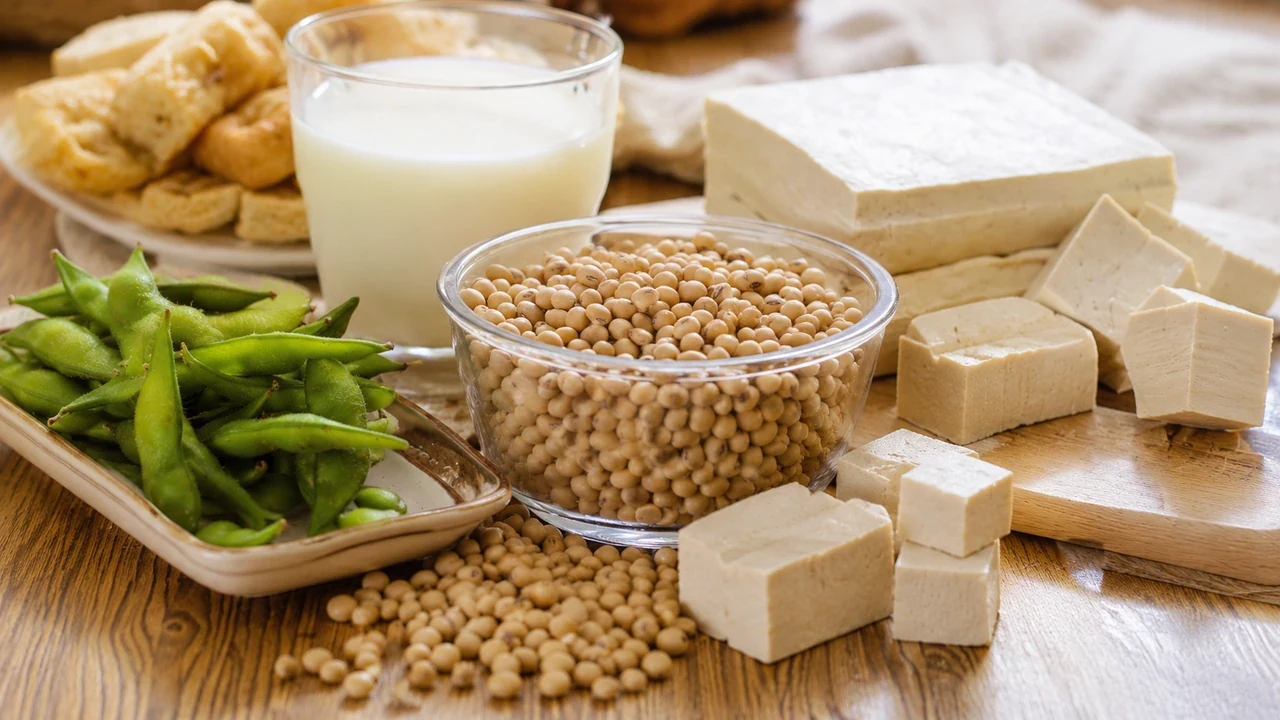
It also helps to remember that vegetarian food is more than meat substitutes. Vegetarian sausages, burgers and mince can be convenient, particularly during the early weeks, but they do not have to be the foundation of every meal. Beans, chickpeas, lentils, peas, eggs, cheese, yoghurt, nuts, seeds, grains, vegetables and fruit offer plenty of different flavours and textures. Building meals from these everyday foods can make a beginner vegetarian guide feel more flexible, less expensive and easier to adapt to your tastes.

Build meals around simple components
A straightforward way to plan a vegetarian plate is to combine a source of protein with carbohydrates, vegetables and a flavourful sauce or seasoning. For example, a baked potato can be topped with beans and grated cheese, while a stir-fry might include tofu, noodles and crunchy vegetables. A lentil bolognese can be served with spaghetti and a side salad. This pattern gives you a useful starting point without turning cooking into a strict formula. It also makes it easier to use leftovers in lunches and quick evening meals.
- Egg omelette with mushrooms, tomatoes and wholemeal toast
- Chickpea and vegetable curry with rice and yoghurt
- Bean chilli with baked potatoes, cheese and avocado
- Red lentil soup with crusty bread and a simple salad
- Vegetable pasta bake with beans or lentils in the sauce
- Tofu and vegetable noodles with soy sauce, ginger and sesame seeds
Make vegetarian meal planning easier
Vegetarian meal planning does not mean planning every mouthful a week in advance. For beginners, it can simply mean choosing three or four dinners, buying the ingredients and leaving space for leftovers, easy meals and changes of plan. Pick recipes that share ingredients, such as using peppers in fajitas one night and pasta sauce the next. Keep a few dependable cupboard meals available for busy evenings, including tins of beans, lentils, chopped tomatoes, pasta, rice, couscous and a selection of herbs and spices.
A basic shopping list can reduce decision-making when you are starting a vegetarian diet. Fresh vegetables are useful, but frozen vegetables are equally practical for soups, curries, pies and stir-fries. Tinned chickpeas and beans are convenient, while dried lentils cook quickly and work well in sauces and soups. Eggs, milk, yoghurt and cheese can provide familiar options for ovo-lacto-vegetarians. Choose foods you genuinely like rather than buying every ingredient suggested in a recipe. A smaller, well-used shop is better than a fridge full of unfamiliar produce.
- Cupboard: pasta, rice, noodles, oats, tinned beans, chickpeas, lentils, tomatoes, stock labelled vegetarian, herbs and spices
- Fridge: eggs, milk or dairy-free alternatives if preferred, yoghurt, cheese, hummus and seasonal vegetables
- Freezer: peas, mixed vegetables, spinach, fruit, bread and a few easy vegetarian meals for emergencies
- Flavour boosters: garlic, onions, lemon, mustard, pesto labelled vegetarian, chilli sauce and soy sauce
Pay attention to variety and key nutrients
A well-planned vegetarian diet can include a wide range of nourishing foods, but variety matters. Try to include different protein foods across the week, such as beans, lentils, peas, tofu, eggs, yoghurt, cheese, nuts and seeds. Wholegrains, potatoes, fruit and vegetables all have a place too. Rather than worrying about making each individual meal perfectly balanced, look at your usual pattern over several days. If your meals are becoming repetitive, add one new ingredient or recipe each week instead of changing everything at once.
Some nutrients deserve a little thought when you stop eating meat or fish. Iron-rich vegetarian foods include lentils, beans, chickpeas, tofu, fortified cereals, seeds and leafy green vegetables. Vitamin C-rich foods, such as peppers, citrus fruit, berries and tomatoes, can be included alongside these meals. Eggs and dairy products may contribute nutrients including protein, calcium and vitamin B12, depending on the foods you choose. If you have a medical condition, are pregnant, have specific dietary needs or are concerned about nutrient intake, seek individual advice from a qualified health professional.
Handle common challenges without giving up
Social occasions can feel like the hardest part of a new eating pattern, especially at first. Tell friends or family what you eat in a relaxed, straightforward way, and offer to bring a dish when that makes things easier. For pub meals, work lunches and celebrations, look at menus beforehand if possible. A vegetarian option is not always automatically suitable, so check for animal stock, gelatine or other ingredients if you are unsure. Keeping a snack in your bag can also help when choices are limited.
Cravings for familiar meals are normal, and they do not mean you have failed. Often, what people miss is a flavour, texture or convenient routine rather than meat itself. Recreate the parts you enjoy: use smoky spices in a bean stew, add mushrooms to a savoury pie, or make a hearty sandwich with cheese, hummus and roasted vegetables. Meat-free versions of familiar foods can be useful, but there is no need to rely on them every day. Treat this as a learning process, not a test of willpower.
A realistic beginner vegetarian guide for the first month
For your first week, choose two or three vegetarian meals you already know you will eat. In the second week, try one new recipe based on beans, lentils or tofu. During the third week, practise adapting a favourite dish, such as replacing meat in a curry, pasta sauce or shepherd’s pie with lentils, beans or a vegetarian alternative. By the fourth week, review what worked: note the quickest dinners, the best packed lunches and the ingredients you would like to keep on hand.
The aim is not to follow somebody else’s ideal vegetarian menu. Your routine might include quick breakfasts, batch-cooked soups, family pasta dishes, supermarket convenience foods and occasional meals out. All of these can be part of a practical vegetarian lifestyle. Keep recipes that you enjoy, learn from the meals that did not go to plan and make adjustments without judgement. With a few reliable ingredients and a little preparation, a vegetarian diet can soon become a familiar, satisfying part of everyday life.