Many people want to Improve Your Gut Health without following a complicated eating plan. A well-planned vegetarian diet can be a practical starting point because it naturally includes a wide variety of beans, vegetables, fruit, wholegrains, nuts and seeds. These plant foods provide fibre and other compounds that support the community of microorganisms living in the digestive system, often called the gut microbiome. Rather than seeking one “perfect” food, it is usually more helpful to build regular meals around different plant ingredients and make changes gradually.
Vegetarian gut health is not about cutting out every familiar food or eating only raw vegetables. Eggs, yoghurt, cheese and other dairy foods can still have a place in an ovo-lacto-vegetarian diet, according to personal preference and tolerance. The main aim is to make plant foods the foundation of everyday meals while choosing options that feel satisfying, enjoyable and manageable. Small, consistent habits are often easier to maintain than a sudden overhaul of the way you eat.
How to Improve Your Gut Health with More Plant Foods
The gut microbiome is made up of many different microorganisms that live mainly in the large intestine. Food choices can influence which organisms have the chance to thrive. Plant foods contain types of carbohydrate that are not fully digested in the small intestine. When they reach the large intestine, they can be used by gut bacteria. This is one reason why variety matters in a plant-based diet microbiome approach: different plants provide different forms of fibre and naturally occurring plant compounds.
Fibre and gut health are closely linked, but increasing fibre very quickly can leave some people feeling bloated, windy or uncomfortable. If your usual diet is low in beans, wholegrains or vegetables, introduce them one at a time and allow your digestion to adjust. Drinking enough fluids is also important when eating more fibre. A gradual approach may mean swapping white toast for wholemeal bread, adding a spoonful of seeds to breakfast, or including one extra portion of vegetables with an evening meal.
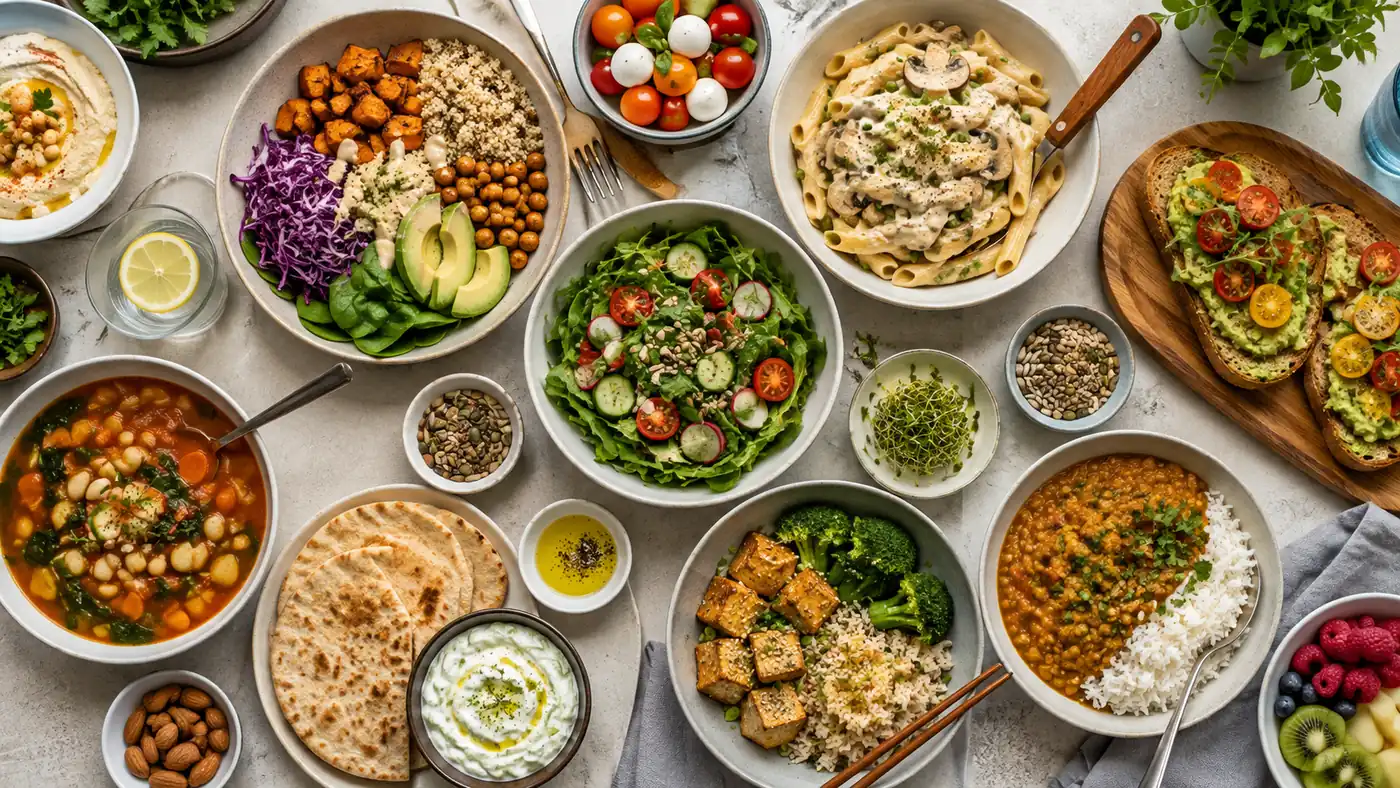
It can help to think about diversity across the week rather than judging each individual meal. Try rotating the types of lentils, beans, grains, fruit and vegetables you buy. For example, use chickpeas in a curry, black beans in a burrito-style bowl, red lentils in soup and butter beans in a tomato bake. This approach keeps vegetarian meals interesting and gives you more opportunities to enjoy the broad range of plant foods microbiome-friendly eating can include.

Gut-Friendly Vegetarian Foods to Eat More Often
Wholegrains are an accessible place to begin. Oats, brown rice, wholewheat pasta, barley, rye bread, quinoa and wholegrain breakfast cereals can add texture and staying power to vegetarian meals. Choose the options you genuinely enjoy and prepare them in familiar dishes. Porridge topped with fruit and nuts, a barley vegetable stew, or a wholewheat pasta sauce with lentils are simple examples. If a wholegrain version feels too big a change, try mixing it with the refined version at first.
Beans, peas and lentils are especially useful staples for vegetarian digestive health. They offer fibre as well as protein, making them helpful for creating filling meals without relying on highly processed substitutes. Tinned pulses are convenient; rinse them before use if you prefer a less salty flavour. Start with smaller portions if pulses are new to you, and use them in soups, sauces, salads and casseroles. Split red lentils are often a gentle introduction because they soften easily in soups and dals.
- Fruit such as apples, pears, berries, oranges, bananas and kiwi fruit
- Vegetables including carrots, broccoli, spinach, peppers, courgettes and leafy greens
- Beans, chickpeas, lentils, peas and soya foods such as tofu or edamame
- Wholegrains such as oats, brown rice, wholemeal bread and wholewheat pasta
- Nuts and seeds, including walnuts, almonds, pumpkin seeds, chia seeds and flaxseeds
- Fermented vegetarian foods such as live yoghurt, kefir, sauerkraut and kimchi, where suitable for you
Include fermented foods if you enjoy them
Fermented foods are often discussed in relation to gut-friendly vegetarian foods. Live yoghurt and kefir can suit ovo-lacto-vegetarians, while fermented vegetables may add a tangy flavour to sandwiches, grain bowls and salads. Look for products that fit your dietary preferences, as some fermented foods may contain fish-based flavourings or other non-vegetarian ingredients. Fermented foods are not essential, and they do not need to be eaten in large amounts. A small serving alongside a varied diet can be an enjoyable option for people who like them.
Building a Balanced Vegetarian Eating Pattern
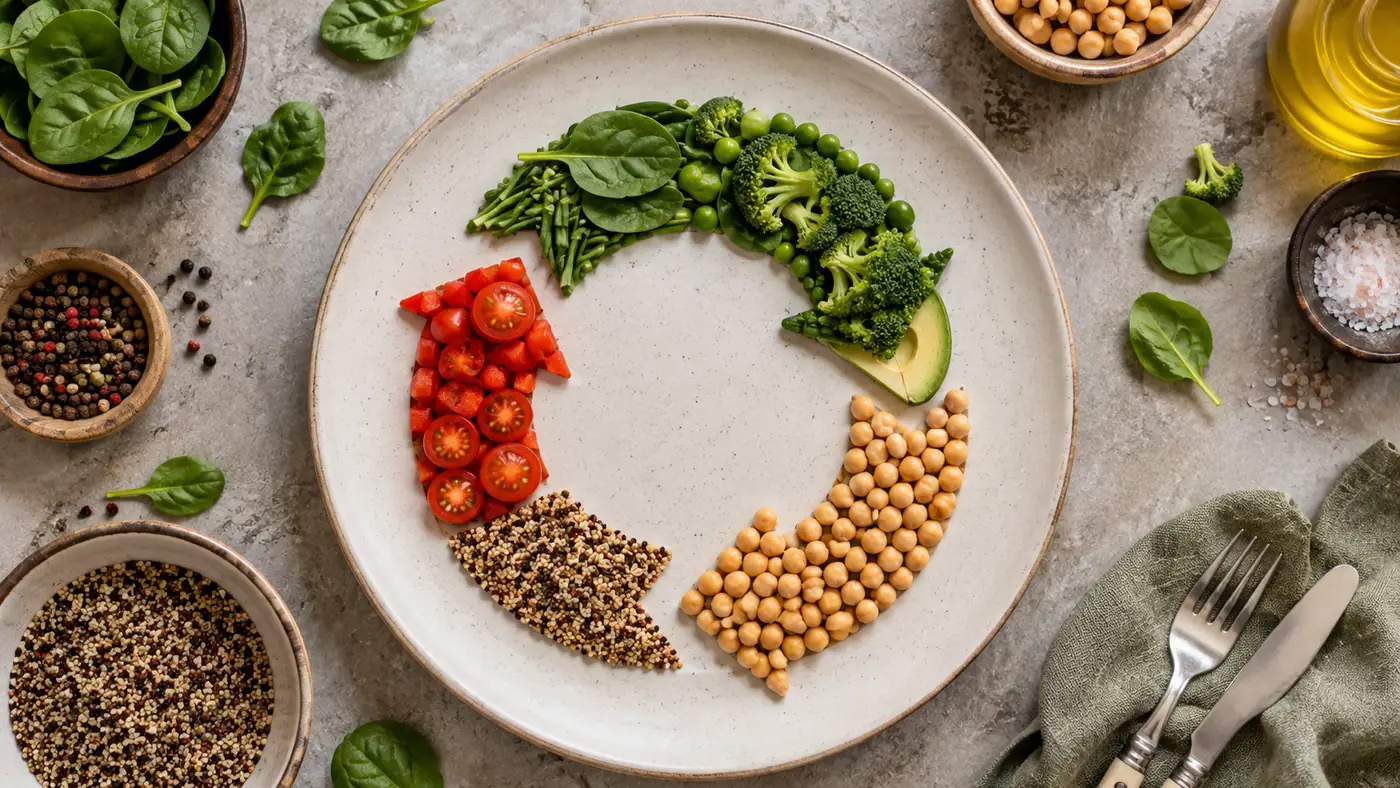
A plant-based diet microbiome pattern does not have to mean buying unusual ingredients or spending hours cooking. A useful formula is to combine a fibre-rich carbohydrate, a protein source, colourful vegetables and a flavourful dressing or sauce. A jacket potato with baked beans, salad and grated cheese is one example. Another is a rice bowl with tofu, roasted vegetables, edamame and sesame dressing. These meals contain familiar vegetarian ingredients while offering a mixture of textures and plant types.
Breakfast can also be an easy opportunity to increase plant variety. Try porridge with grated apple, cinnamon and ground flaxseed; wholegrain toast with peanut butter and banana; or yoghurt with oats, fruit and chopped nuts. If you eat eggs, an omelette with mushrooms, tomatoes and spinach can be served with wholemeal toast. There is no need for every meal to include every food group perfectly. Over the course of a day or week, aim for a broad, appealing mix.
Processed vegetarian foods can be useful for convenience, particularly on busy days, but it is worth balancing them with minimally processed ingredients where possible. Meat-free burgers, sausages and ready meals can sit alongside beans, vegetables and wholegrains rather than replacing them entirely. Reading labels helps you choose products with ingredients you recognise and that meet your vegetarian standards. It also helps you spot foods that are high in salt or low in fibre if these are things you are trying to moderate.
Practical Habits That Support Vegetarian Digestive Health
How you eat can matter as much as what you eat. Taking time over meals, chewing thoroughly and avoiding large rushed portions may make digestion feel more comfortable for some people. Regular meals can also make it easier to notice which foods leave you feeling satisfied and which combinations do not suit you. Keeping a simple food and symptom note for a short period can be useful if you are trying to identify a repeated pattern, without becoming overly restrictive.
Hydration is important when you are increasing fibre. Water, herbal tea, milk and other suitable drinks can all contribute to daily fluid intake. Movement, sleep and stress can also affect digestive comfort, so food is only one part of the picture. If you have persistent pain, unexplained changes in bowel habits, blood in your stool, unintentional weight loss or symptoms that worry you, seek advice from a qualified healthcare professional rather than trying to manage everything through diet alone.
A Gentle One-Week Start
To Improve Your Gut Health in a realistic way, choose one or two changes that suit your current routine. You might add fruit to breakfast for a few days, replace one evening meal with a lentil-based dish, or keep a tin of chickpeas in the cupboard for quick lunches. Once that feels normal, add another habit. This steady method can make a higher-fibre vegetarian diet feel more comfortable and less like a temporary challenge.
- Add one extra portion of fruit or vegetables each day.
- Choose a wholegrain version of one regular food, such as bread, pasta or rice.
- Include beans, lentils, peas or soya foods in two meals during the week.
- Try one new plant ingredient, herb or spice to widen variety.
- Increase portions gradually and drink regularly throughout the day.
A vegetarian way of eating can offer plenty of opportunities to care for your digestive wellbeing through enjoyable, varied food. Focus on plants you like, build up fibre gradually and leave room for flexibility. Whether you cook from scratch most nights or rely on quick supermarket staples, small choices such as adding lentils to a sauce, choosing oats for breakfast or eating a wider range of vegetables can help create a more plant-rich routine over time.