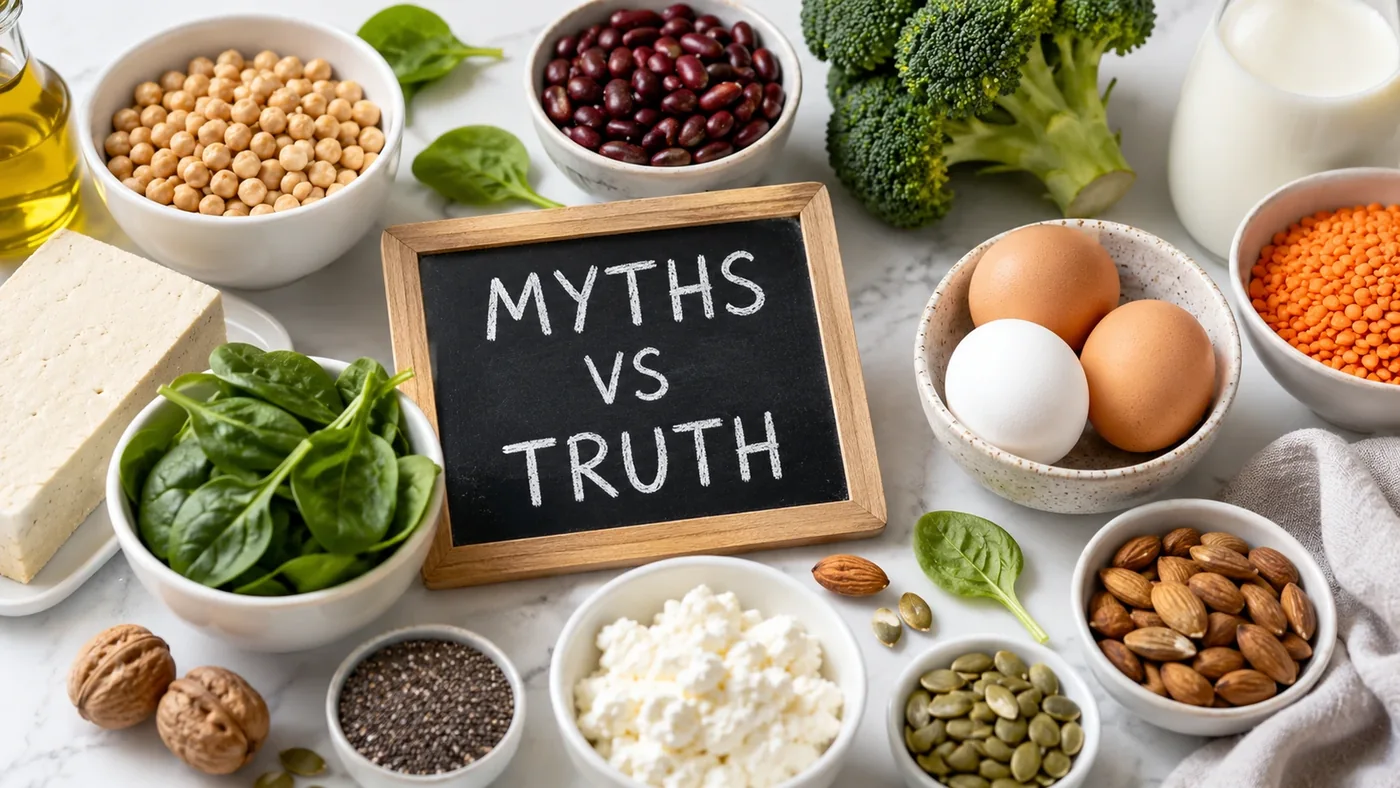
Learning how to raise vegetarian kids is less about removing meat and more about building a varied, nutritious and enjoyable way of eating. Children need enough energy, protein, healthy fats, vitamins and minerals to support rapid physical growth, brain development, learning and everyday activity. A vegetarian diet can provide these nutrients, but good planning matters—particularly during infancy, early childhood and adolescence, when nutritional requirements can change quickly.
Parents do not need to create perfect meals or calculate every nutrient at every sitting. The more practical goal is to establish a reliable pattern across the day and week. Meals should include a range of vegetables, fruit, grains, pulses, eggs, dairy products, nuts, seeds and suitable fortified foods. The British Dietetic Association states that carefully planned plant-based diets can support healthy living at every age, while guidance from the Academy of Nutrition and Dietetics explains that vegetarian children can meet their nutritional needs and develop normally when their diets are planned appropriately.
Can Children Grow Well on a Vegetarian Diet?
A healthy vegetarian diet for children can support normal growth, but the word “vegetarian” does not automatically mean “nutritious”. A diet based mainly on chips, white bread, sweets, cheese and highly processed meat substitutes may contain no meat, yet still lack fibre, iron, healthy fats and several essential vitamins. The quality and variety of the food matter far more than the label attached to the diet.
A well-planned ovo-lacto-vegetarian diet includes eggs and dairy products alongside plant foods. These foods can make it easier to obtain protein, vitamin B12, calcium, iodine and energy. Pulses, tofu, tempeh, nuts, seeds and wholegrains then add further protein, fibre, iron, zinc and other micronutrients. Both the British Dietetic Association and the NHS recommend eating a broad range of foods rather than depending heavily on a small number of familiar vegetarian products.
Children also differ in appetite, body size, activity level and development. A toddler who eats small portions needs a different approach from an active teenager. Parents should therefore look at the overall dietary pattern rather than comparing one child’s plate with another’s.
Build Balanced Meals for Vegetarian Kids
A simple way to plan vegetarian family meals is to include three main components: an energy-rich carbohydrate, a source of protein and at least one fruit or vegetable. For example, a meal could combine rice with lentil dhal and roasted vegetables, wholemeal pasta with tomato sauce and grated cheese, or potatoes with an omelette and peas. Adding olive or rapeseed oil, avocado, yoghurt, nut butter or ground seeds can increase energy and nutritional value.
Children do not need every meal to be perfectly balanced. A balanced diet (nutritional adequacy) consists of a variety of meals and snacks. However, regularly offering foods from the main food groups helps prevent a diet from becoming too narrow. The NHS Eatwell Guide applies to most children after the age of two, although younger children generally need smaller portions and more energy-dense foods because of their rapid growth and smaller stomachs.
Try to rotate foods rather than repeating the same protein every day. Beans, chickpeas, lentils, eggs, tofu, tempeh, yoghurt, cheese, nut butters and mycoprotein can all play a role. Variety improves nutrient coverage and helps children become comfortable with different flavours, colours and textures.
Protein in a Healthy Vegetarian Diet for Children
Protein is often the first concern raised about vegetarian children, but it is usually one of the easiest requirements to meet. Eggs, milk, yoghurt, cheese, beans, lentils, chickpeas, tofu, tempeh, peas, nuts, seeds and wholegrains all contribute protein. The Academy of Nutrition and Dietetics confirms that children do not need meat to obtain enough protein, provided their diet includes suitable foods in appropriate amounts.
Parents do not normally need to combine particular plant proteins within the same meal. Eating a varied diet across the day provides a range of essential amino acids. A child might have porridge with milk at breakfast, hummus at lunch and a bean chilli with rice in the evening. Together, these meals provide complementary sources of protein without complicated food rules.
Younger children may find large servings of beans or dense foods difficult to manage. Smaller, frequent portions can work better: smooth lentil soup, mashed beans, hummus, soft tofu, scrambled egg, full-fat yoghurt or thinly spread nut butter. Whole nuts can be a choking hazard for young children, so use smooth nut butter or finely ground nuts in age-appropriate forms.
Iron: A Priority Nutrient for Vegetarian Children
Iron supports normal blood formation, energy metabolism, cognitive development and immune function. Children can become iron deficient regardless of whether they eat meat, but vegetarian families should pay particular attention because non-haem iron from plant foods is generally less easily absorbed than iron from animal foods. Good vegetarian sources include lentils, beans, chickpeas, tofu, eggs, fortified breakfast cereals, pumpkin seeds, tahini and dark green vegetables.
Serving vitamin C alongside iron-rich foods can improve absorption. Practical combinations include lentils with tomatoes, fortified cereal with berries, hummus with pepper strips, bean chilli with lime or tofu with broccoli. The Academy of Nutrition and Dietetics also recommends pairing vegetarian iron sources with vitamin C-rich foods such as citrus fruit, tomatoes and peppers.
Avoid giving children iron supplements without professional guidance. Too much supplemental iron can be harmful, particularly for young children. Persistent tiredness, unusual paleness, weakness, breathlessness, poor concentration or reduced appetite should be discussed with a doctor, who can decide whether blood tests or treatment are appropriate.
Vitamin B12 and Raising Vegetarian Kids Safely
Vitamin B12 is essential for the nervous system, red blood cell formation and normal development. In an ovo-lacto-vegetarian diet, milk, yoghurt, cheese and eggs can provide B12. However, intake can still be inadequate when children eat only small quantities of these foods or follow an increasingly plant-based diet. Fortified breakfast cereals, fortified nutritional yeast and fortified dairy alternatives may provide additional B12, but labels should be checked because fortification varies considerably between products.
The Academy of Nutrition and Dietetics advises that children following vegetarian or vegan diets may require B12 supplementation, depending on the foods they eat. The NHS similarly stresses the need for a reliable source of B12 when animal products are limited or excluded.
B12 is not a nutrient to leave to chance. Deficiency can have serious neurological and haematological consequences, and symptoms may take time to become obvious. Families whose children eat very little dairy or egg should discuss fortified foods or an age-appropriate supplement with a paediatric dietitian, pharmacist or doctor. Fully vegan children require a reliable B12 supplement rather than depending on unfortified plant foods.
Calcium, Vitamin D and Iodine for Strong Development
Calcium and vitamin D work together to support healthy bones and teeth. Vegetarian sources of calcium include milk, yoghurt, cheese, calcium-set tofu, fortified plant drinks, fortified yoghurt alternatives, tahini, ground almonds and some green vegetables. Dairy products can be convenient sources, but they are not the only option. When choosing plant-based drinks, look for unsweetened products fortified with calcium, vitamin D, vitamin B12, iodine and, ideally, riboflavin.
Plant drinks should not replace breast milk or infant formula during the first year of life. From 12 months, suitable fortified drinks can form part of a balanced diet, but their protein, energy and micronutrient content varies. UK scientific guidance recommends that plant-based drinks be fortified with calcium, iodine, vitamin B12, vitamin A and riboflavin at levels comparable with milk, as well as vitamin D.
UK guidance recommends daily vitamin D for young children, with specific advice depending on age, formula intake, skin tone and sun exposure. Children aged one to four should receive 10 micrograms daily throughout the year. Parents should follow local guidance because recommendations differ between countries.
Iodine also deserves attention. Dairy products and eggs are useful vegetarian sources, while many ordinary plant drinks contain little unless specifically fortified. The BDA advises people following diets with few iodine-rich foods to consider fortified products or professional guidance about supplementation.
Healthy Fats and Vegetarian Omega-3 Sources
Young children need adequate dietary fat because it provides concentrated energy and supports brain and nervous system development. Very low-fat eating is not appropriate for growing children. Useful foods include avocado, olive oil, rapeseed oil, smooth nut butter, ground seeds, full-fat yoghurt, eggs and cheese. These foods are especially helpful for children with small appetites who may struggle to obtain enough energy from bulky meals.
Vegetarian omega-3 sources include walnuts, ground linseed, chia seeds, hemp seeds, rapeseed oil and omega-3-enriched eggs. The BDA lists walnuts, flaxseeds, chia seeds, leafy vegetables and rapeseed oil as useful options for children who do not eat fish.
These foods mainly provide alpha-linolenic acid, or ALA, which the body converts only partially into the long-chain omega-3 fats DHA and EPA. Families who are concerned about intake—particularly where eggs are excluded—can ask a qualified health professional about an age-appropriate algae-derived DHA supplement. Supplements should be selected carefully, as doses and formulations intended for adults may not be suitable for children.
Avoid Too Much Fibre in Younger Vegetarian Kids
Fibre is valuable for digestive health, but very high-fibre meals can fill a small stomach before a young child has eaten enough energy. A toddler offered only large salads, plain vegetables, bran cereals and unprocessed wholegrains may feel full quickly while consuming too few calories, fats or proteins. This does not mean fibre should be avoided; it means meals should be adjusted for the child’s age and appetite.
Mix wholegrain and lower-fibre foods when necessary. For example, alternate wholemeal and white pasta, serve smooth hummus rather than only whole chickpeas, or combine porridge with yoghurt and nut butter. Adding olive oil, cheese, avocado or seed butter increases energy without greatly increasing the volume of food.
Regular meals and snacks are often more effective than expecting young children to eat large portions. Three meals and two or three nutritious snacks may help maintain energy intake. Suitable options include yoghurt with fruit, toast with nut butter, cheese and crackers, a small omelette, hummus with pitta or a fortified cereal with milk.
Create a Positive Relationship With Vegetarian Food
Raising vegetarian kids is not only a nutritional project. It is also an opportunity to build confidence, curiosity and a healthy relationship with food. Children are more likely to accept unfamiliar foods when they see trusted adults eating them regularly and without pressure. New vegetables, pulses or textures may need to be offered many times before they become familiar. The BDA advises introducing a range of tastes and textures and recognises that repeated exposure may be necessary.
Avoid turning mealtimes into negotiations about health, morality or finishing everything on the plate. Parents can decide what food is offered and when, while allowing the child to decide how much to eat. Keep one familiar item on the table, but do not automatically prepare a completely separate meal whenever something new appears.
Involve children in choosing vegetables, washing produce, stirring sauces, assembling wraps or planting herbs. Use neutral, positive language such as “this helps give us energy” or “this food contains iron” rather than describing foods as clean, guilty, bad or fattening. The aim is to make informed decisions, not to be anxious or a perfectionist.
Manage School, Parties and Social Situations
School meals, birthday parties, holidays and visits to relatives can create practical challenges. Speak to schools and childcare providers in advance, asking what the vegetarian option contains rather than assuming it is nutritionally balanced. A plate of plain pasta may be meat-free, but it provides less protein and iron than pasta with lentils, beans, cheese, egg or tofu.
Packed lunches should include more than fruit and bread. Add a protein-rich filling such as hummus, egg, cheese, mashed beans or nut butter where school allergy rules allow it. Yoghurt, fortified dairy alternatives, roasted chickpeas, vegetable muffins and oat bars with seeds can add variety.
Teach children a simple, non-confrontational explanation: “I’m vegetarian, so I don’t eat meat or fish.” They do not need to defend the family’s values or criticise what other people eat. A calm, respectful approach makes social situations easier and supports the child’s autonomy. As children grow, involve them in planning how they would like to handle parties and school trips.
Monitor Growth Without Becoming Obsessive
Growth is one of the clearest indicators that a child’s overall nutrition is supporting development. Routine health appointments allow professionals to monitor height, weight and growth patterns over time. One measurement matters less than the trend. Children naturally vary in size and appetite, so comparisons with siblings, classmates or social media examples are rarely useful.
Seek personalised advice when a child has a very limited diet, regularly refuses entire food groups, loses weight, drops across growth percentiles, shows signs of a possible deficiency or has a medical condition affecting digestion or appetite. Professional guidance is also valuable for infants, children with multiple allergies, competitive young athletes and families following a fully vegan diet.
The UK Scientific Advisory Committee on Nutrition specifically recommends supporting families of vegetarian and plant-based children aged one to five to ensure adequate iron, iodine, calcium and vitamin B12. A registered paediatric dietitian can review a food diary, assess fortified products and recommend supplements where necessary without imposing unnecessary restrictions.
Conclusion: How to Raise Vegetarian Kids With Confidence
Understanding how to raise vegetarian kids begins with a simple principle: replace nutrients, not just ingredients. Removing meat and fish is only the starting point. A strong vegetarian eating pattern regularly includes pulses, eggs, dairy products or fortified alternatives, grains, fruit, vegetables, nuts, seeds and healthy fats.
Pay particular attention to iron, vitamin B12, calcium, vitamin D, iodine, omega-3 fats, protein and total energy. Offer variety, use fortified foods strategically and follow age-specific supplement guidance. At the same time, protect the child’s relationship with food by keeping meals relaxed, inclusive and free from fear or moral pressure.
A vegetarian childhood does not need to feel restrictive. With practical planning, suitable professional support and a flexible family routine, children can enjoy a diverse diet that supports their growth, respects family values and helps them develop lifelong food skills.
Reliable External Sources
This article draws on guidance and educational resources from the British Dietetic Association, the UK National Health Service, the UK Scientific Advisory Committee on Nutrition, the World Health Organization, the Academy of Nutrition and Dietetics and the American Academy of Pediatrics.