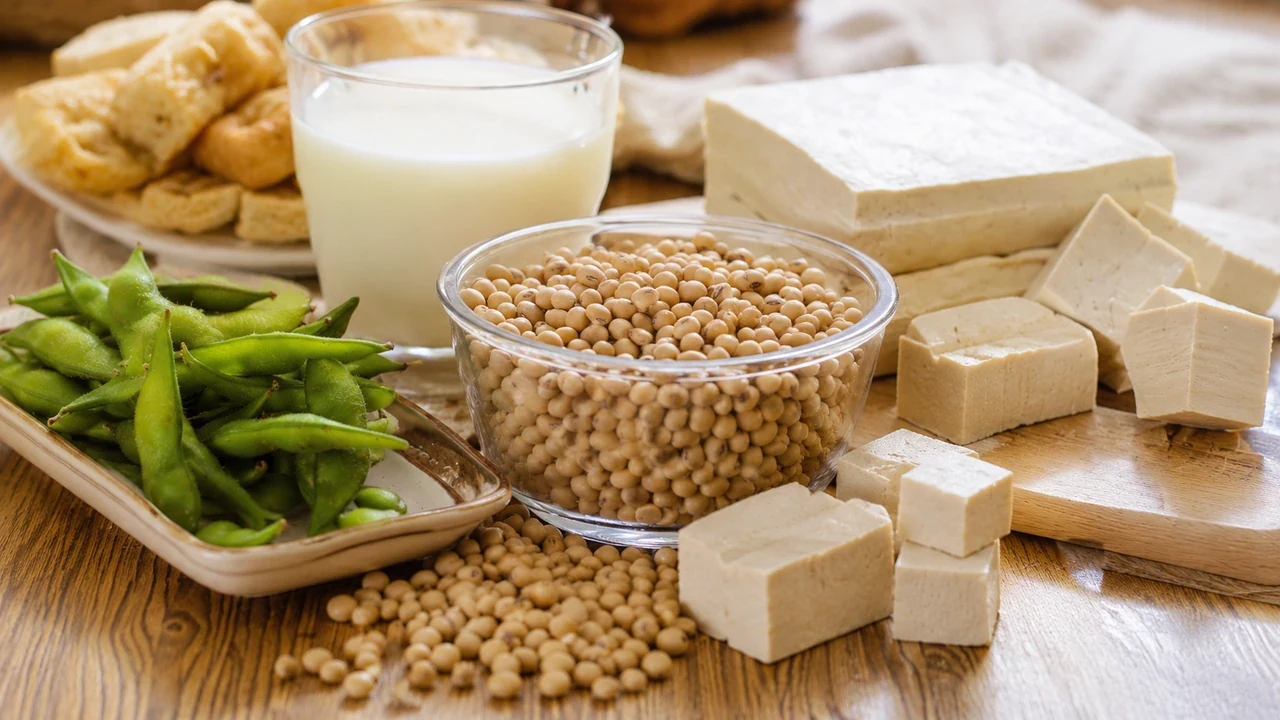
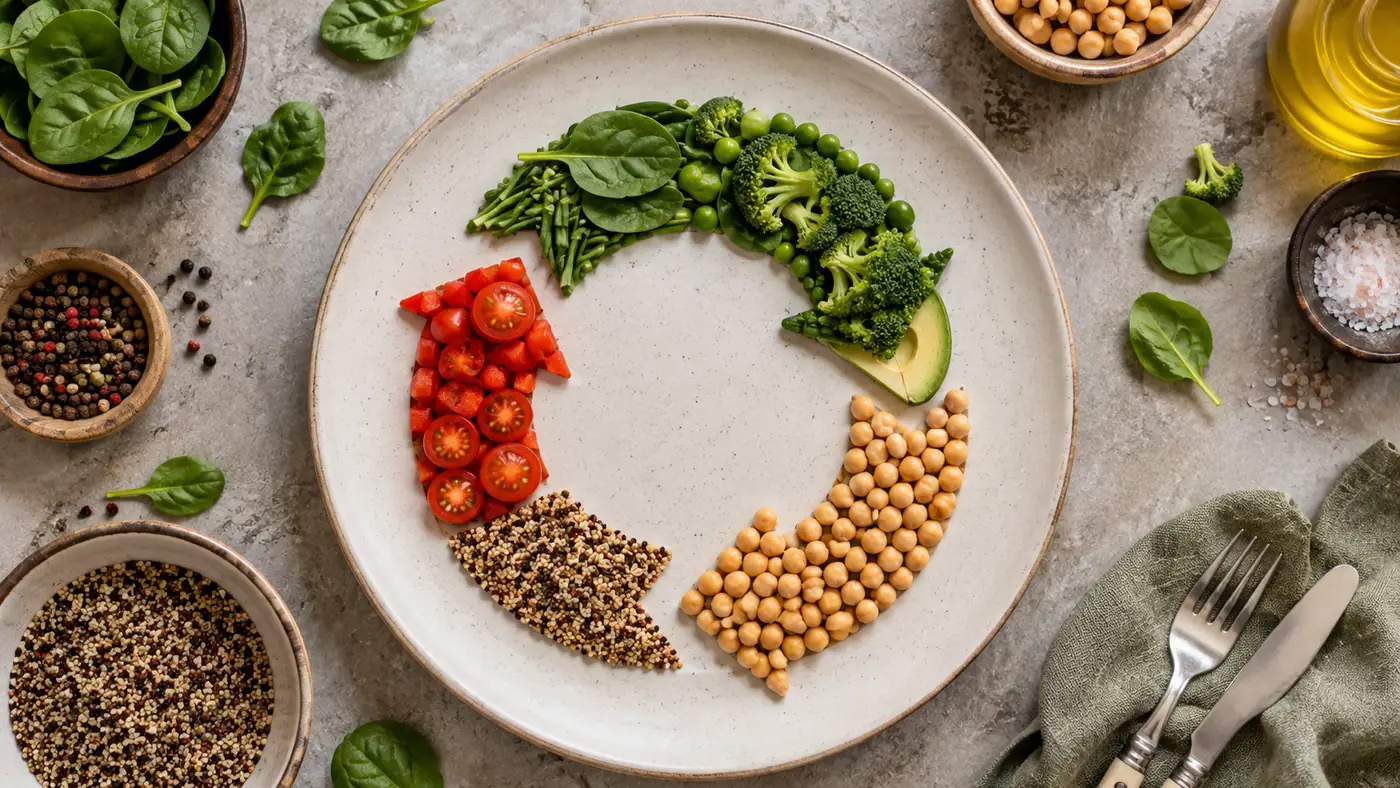
If you are wondering what do vegetarians eat, the answer is: a wide range of familiar, satisfying foods. Vegetarian eating is built around vegetables, fruit, beans, lentils, grains, nuts, seeds, dairy foods and eggs for people who choose to include them. It can be as simple as porridge with fruit for breakfast, a jacket potato with beans for lunch, or a vegetable curry with rice for dinner. Rather than relying on one special type of food, most vegetarians combine everyday ingredients in different ways. The result can be colourful, practical and suited to all sorts of budgets, cooking skills and family routines.
There is no single vegetarian menu that everyone follows. Some people eat eggs and dairy products, while others avoid one or both for personal, cultural or dietary reasons. What vegetarians have in common is that they do not eat meat, poultry, fish or seafood. This leaves plenty of choice, from homemade soups and pasta dishes to sandwiches, salads, stir-fries and hearty stews. Learning the basics makes vegetarian cooking feel less like a restriction and more like a useful way to explore ingredients that may already be in your kitchen.
What Do Vegetarians Eat in Everyday Life?
Everyday vegetarian meals often begin with a simple base: potatoes, bread, rice, pasta, noodles, couscous, oats or another grain. Vegetables add flavour, colour and texture, while beans, lentils, chickpeas, eggs, cheese, yoghurt, tofu or vegetarian meat alternatives can make a meal more substantial. For example, a pasta sauce can include lentils and mushrooms, a rice bowl can feature roasted vegetables and chickpeas, and an omelette can be filled with spinach, tomatoes and cheese. These combinations are flexible, so they work well when cooking for one person or for a busy household.
Breakfast can be straightforward too. Porridge, cereal with milk or a fortified plant-based alternative, toast with peanut butter, yoghurt with fruit, or scrambled eggs on toast are all common options. At lunchtime, many vegetarians choose soup, a cheese and salad sandwich, hummus wraps, leftover curry, baked potatoes or grain salads. Dinner might be vegetable lasagne, bean chilli, lentil shepherd’s pie made with a vegetable-based filling, tofu stir-fry, or a vegetable and halloumi traybake. Snacks such as fruit, nuts, crackers, yoghurt and popcorn can fit in easily as well.
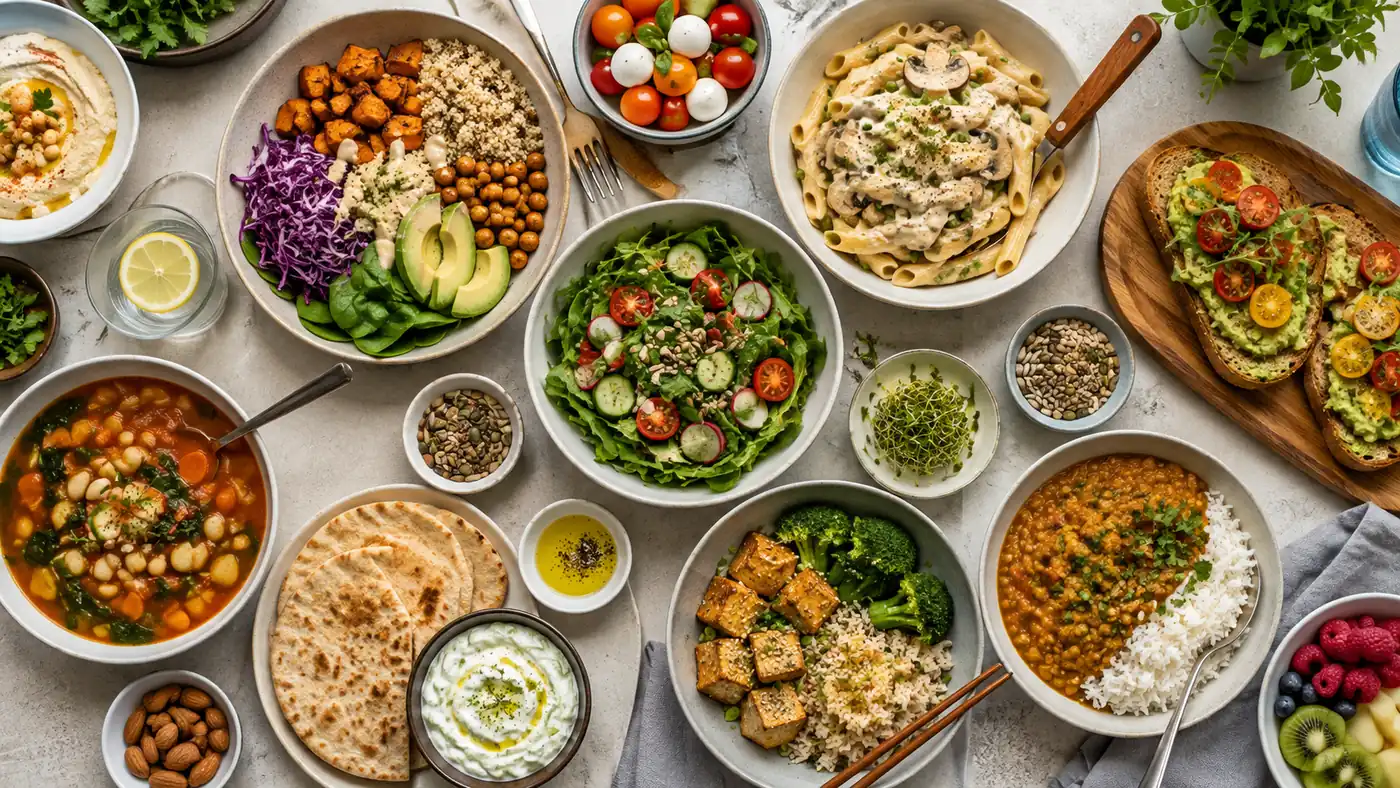
A Vegetarian Foods List for the Cupboard, Fridge and Freezer
A useful vegetarian foods list does not need to be complicated. Keeping a few versatile ingredients at home makes it easier to prepare meals without extensive planning. Tinned beans, chopped tomatoes, lentils, frozen vegetables and dried pasta are particularly handy for quick suppers. Fresh produce can be chosen according to the season, your preferences and what is available locally. Dairy foods and eggs are optional parts of an ovo-lacto-vegetarian kitchen, but they can be convenient ingredients for breakfasts, baking, sauces and simple meals.
- Vegetables and fruit: carrots, onions, peppers, broccoli, spinach, tomatoes, sweet potatoes, apples, bananas and berries.
- Beans and pulses: chickpeas, kidney beans, butter beans, red lentils, green lentils and split peas.
- Grains and starchy foods: oats, bread, rice, pasta, potatoes, couscous, noodles and tortillas.
- Protein-rich choices: eggs, cheese, yoghurt, tofu, tempeh, nuts, seeds, peanut butter and vegetarian sausages or burgers.
- Flavour boosters: herbs, spices, garlic, ginger, lemon, vegetable stock cubes, soy sauce and tomato purée.
Frozen and tinned foods deserve a place in the kitchen as well. Frozen peas, spinach, sweetcorn and mixed vegetables can be added directly to soups, pasta sauces, pies and curries. Tinned beans and lentils save time, especially when rinsed and stirred into a meal near the end of cooking. A block of tofu, a bag of grated cheese or a carton of eggs can also turn basic ingredients into a filling dish. These cupboard and freezer staples are useful when fresh shopping has been delayed or you simply need an easy dinner.
Building Balanced Everyday Vegetarian Meals
A simple way to plan meals is to think in layers. Start with a filling carbohydrate such as rice, potatoes or wholemeal pasta. Add a protein-containing food, such as lentils, beans, eggs, tofu, yoghurt, cheese, nuts or seeds. Then include vegetables or fruit and bring everything together with flavourful ingredients. This approach can be adapted to almost any cuisine. A Mexican-inspired bowl might include rice, black beans, sweetcorn, salsa and avocado, while an Italian-style meal could be pasta with white beans, courgettes, tomatoes and herbs.
Vegetarian meals do not have to imitate meat dishes, although meat-free versions of familiar favourites can be useful and enjoyable. A vegetable chilli, lentil Bolognese or bean burger can be an easy place to start because the meal format already feels familiar. At the same time, dishes such as dal, vegetable tagine, mushroom risotto, spanakopita, falafel wraps and paneer curry show how naturally vegetarian ingredients appear in cooking from many traditions. Choose meals based on taste, convenience and the ingredients you enjoy rather than trying to follow a rigid formula.
Easy meal ideas for a typical week
- Jacket potatoes topped with baked beans, grated cheese and a side salad.
- Red lentil and vegetable soup served with crusty bread.
- Vegetable fajitas with peppers, onions, black beans, salsa and yoghurt or grated cheese.
- Chickpea and spinach curry with rice or naan bread.
- Omelette with mushrooms, tomatoes and cheese, served with new potatoes.
- Pasta with tomato sauce, lentils, courgettes and basil.
Foods Vegetarians Can Eat When Eating Out
Foods vegetarians can eat when dining out vary from place to place, but many cafés, pubs and restaurants now offer clearly labelled vegetarian choices. Look beyond a single meat-free main course too. Side dishes can sometimes be combined into a meal, and starters, soups, salads, pizzas, curries and noodle dishes may have vegetarian versions. It is sensible to ask how a dish is prepared if you are unsure. For example, soups, gravies and sauces may sometimes contain meat-based stock, while some cheeses may not suit every vegetarian preference.
When checking labels at the supermarket, the word “vegetarian” can be a helpful starting point. It is still worth reading the ingredients list if you have particular preferences or allergies. Gelatine may appear in some sweets, desserts and yoghurts, while certain cheeses are made with animal rennet. Many products are labelled as suitable for vegetarians, making choices easier. Plant-based products can also be vegetarian, but “plant-based” and “vegetarian” are not always used in exactly the same way, so checking the label remains a practical habit.
Making Vegetarian Eating Simple and Enjoyable
The easiest way to begin is often to adapt meals you already know. Add beans to a vegetable soup, use lentils in a pasta sauce, make a cheese and vegetable toastie, or replace a meat filling with chickpeas in a curry. Batch cooking can make weekday meals simpler: prepare a large pot of chilli, soup or lentil stew, then freeze portions for later. Keeping a few quick options available, such as eggs, hummus, tinned beans, frozen vegetables and pasta, can also reduce the temptation to overthink dinner.
Ultimately, what do vegetarians eat depends on their tastes, culture, budget and routine. Some people enjoy cooking from scratch, while others rely on convenient supermarket foods alongside fresh ingredients. Both approaches can work well. A varied vegetarian diet can include comforting classics, quick packed lunches, celebratory meals and favourite family recipes. Start with foods you already like, try one or two new ingredients at a time, and build a collection of reliable meals that suit your life. Vegetarian food is everyday food, with plenty of room for creativity.